


By Samantha Cart
“For a state like West Virginia, where energy production is part of our history and identity, nuclear energy represents another way to generate dependable electricity at scale.”
These words by West Virginia Senator Tom Takubo, D.O., highlight exactly why Mountain State leaders continue to explore the potential of nuclear energy after years of discussion.
“West Virginia already produces more energy than it consumes, which gives the state a strategic advantage,” he says. “West Virginia is uniquely positioned to serve as a battery for the rest of the country.”
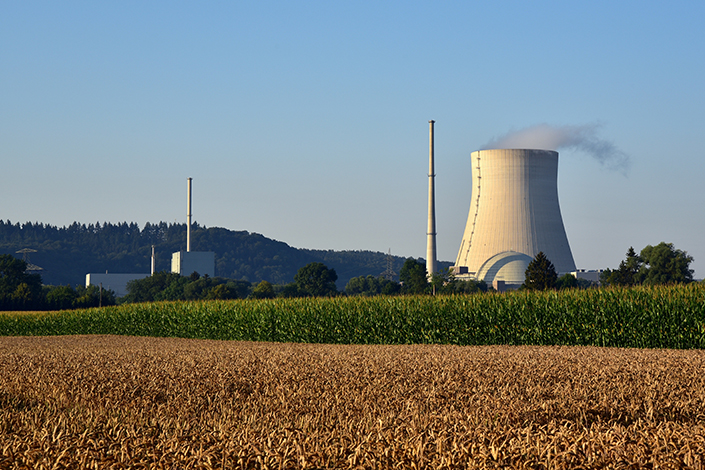
Nuclear energy is produced through nuclear fission, a process where atoms—most often uranium—split inside a reactor, releasing heat. That heat is used to boil water, creating steam that spins turbines connected to generators, which then produce electricity.
“The actual electricity-making process is similar to coal or natural gas plants. The difference is the heat source,” Takubo says. “Instead of burning fuel, nuclear plants generate heat from a controlled atomic reaction. Since nothing is being combusted, nuclear energy does not produce carbon dioxide during operation and provides reliable, around-the-clock power.”
Because nuclear energy provides steady, large-scale power with low carbon emissions, the industry is experiencing significant resurgence. This growth is driven by the demand for environmentally friendly power, supportive federal policies and technological investment. According to the U.S. Department of Energy, the U.S. aims to quadruple its nuclear capacity to 400 gigawatts by 2050 by expanding existing plants, restarting retired reactors and building new ones.
According to the U.S. Energy Information Administration, there were 54 commercially operating nuclear power plants across 28 states as of early 2026. These plants contain 94 nuclear reactors generating 20% of the nation’s electricity. Illinois currently leads the charge with 11 reactors, and states that dismissed nuclear energy production in decades past are now reconsidering.
“The energy demands of today’s economy look very different than they did 20 or 30 years ago,” Takubo says. “Electricity consumption is rising due to the reshoring of manufacturing, electrification of vehicles and especially the growth of data centers and artificial intelligence infrastructure. These facilities require enormous amounts of continuous, reliable power.”
On top of sheer energy demand, states are also balancing reliability, affordability, safety and environmental considerations.
“Policymakers are once again evaluating nuclear because it provides stable, low-emission, 24/7 power,” Takubo says. “In many energy strategies, nuclear complements renewables by ensuring grid reliability.”
Nuclear power generation was banned by law in the Mountain State in 1996. However, Senate Bill 4, sponsored by Takubo and passed in 2022, removed that prohibition.
“The repeal expanded generation opportunities and positioned West Virginia to consider nuclear as part of its long-term energy strategy, including pursuing Nuclear Agreement State status with the U.S. Nuclear Regulatory Commission (NRC),” says Nicholas Preservati, deputy secretary for West Virginia Department of Commerce and director of West Virginia Office of Energy.
According to Takubo, the intent of the repeal was not to mandate nuclear development but to ensure West Virginia does not take any potential energy solutions off the table.
“We have been an energy-producing state for generations,” he says. “Coal powered the Industrial Revolution. Natural gas expanded our reach. Renewables are growing. If West Virginia is going to remain competitive and continue leading in energy production, we must allow innovation. Removing the ban was about positioning West Virginia for the future and not replacing its legacy industries but strengthening its ability to remain an energy powerhouse.”
Historically, public concerns about nuclear energy have centered on accident risk and radiation exposure. The fission process produces radioactive fuel waste that requires secure and long-term disposal.
Under the 1996 ban, nuclear construction was prohibited in West Virginia until a permanent federal waste disposal facility was created. According to Preservati, the state is currently working in coordination with the NRC as it pursues Nuclear Agreement State status to ensure adherence to national safety requirements.
“Nuclear energy is heavily regulated at the federal level,” he explains. “While West Virginia’s exact approach to spent nuclear fuel is still evolving, waste management would follow established federal requirements for safe storage, transport and long-term handling.”
In terms of safety, modern reactor designs—particularly small modular reactors (SMR)—have evolved significantly.
“SMRs are significantly different than traditional large-scale nuclear plants,” Takubo says.
SMRs are small units that can be manufactured in modules and assembled on-site, requiring less land and lower capital exposure per unit. Their safety systems rely on natural forces such as gravity and convection to shut down safely without external power or operator action. Their smaller size further limits potential impact.
“Any nuclear facility in West Virginia would be regulated by the NRC, which enforces some of the most rigorous safety standards in the world. Safety and transparency would be paramount in any future development,” Takubo says.
From an economic perspective, investment in the nuclear energy industry could allow West Virginia to continue exporting reliable power beyond its borders and strengthen the state’s position by adding long-term, stable generation capacity.
“Nuclear facilities require significant investment to build, but once operational, they provide predictable energy costs for decades. Fuel costs are relatively stable compared to fossil fuels, helping shield ratepayers from volatility,” Takubo says.
Other economic benefits include the potential for highly skilled and high-paying technical and engineering jobs, manufacturing growth, workforce training, long-term investment, increased tax revenue for local communities and improved data infrastructure.
With the power of social media and a seeming resurgence in political activism, public opinion matters now more than ever, and it is helping shape the nuclear conversation in the U.S. and West Virginia. Recent national surveys show roughly six in 10 Americans support nuclear energy, with that support increasing as energy demand rises.
“In West Virginia, the conversation tends to center on jobs, reliability and economic opportunity,” Takubo says. “Our citizens understand energy because we have powered this country for generations. As discussions about grid reliability and national energy shortages grow, many West Virginians recognize that the state can continue to lead—potentially serving as the reliable energy backbone for other regions. The conversation is pragmatic. It is about keeping options open and maintaining our leadership role.”
Preservati says public engagement and stakeholder input have informed policy discussions on this topic.
“There has been substantial support for creating a nuclear industry in West Virginia,” he says. “The recent passage of House Bill 5381 by the West Virginia Legislature now allows communities to voluntarily seek Nuclear Ready Community designation, which means they want companies to know they welcome such projects. Education, transparency and community readiness remain central to future development.”
Takubo says West Virginia can learn a lot from other states that have moved forward with nuclear energy development, namely to lead with discipline and transparency.
“States that have successfully developed nuclear energy did so with strong regulatory oversight, realistic financial planning and community engagement,” he explains. “If West Virginia chooses to pursue nuclear in the future, it must be done responsibly, cost-effectively and with clear benefits to our citizens.”
As Mountain State leaders and laymen alike consider this potential next step in the state’s energy legacy, it seems an all-in approach has been established.
“Nuclear is not a replacement for the state’s energy heritage,” Takubo says. “It is a potential addition that could help ensure West Virginia remains an energy-producing state for generations to come.”